
The Relentless Mischaracterization of Guantanamo
Guantanamo veteran challenges one-sided media portrayals of Gitmo, defends U.S. detention standards, and questions Mark Fallon’s impartiality regarding al-Qaeda
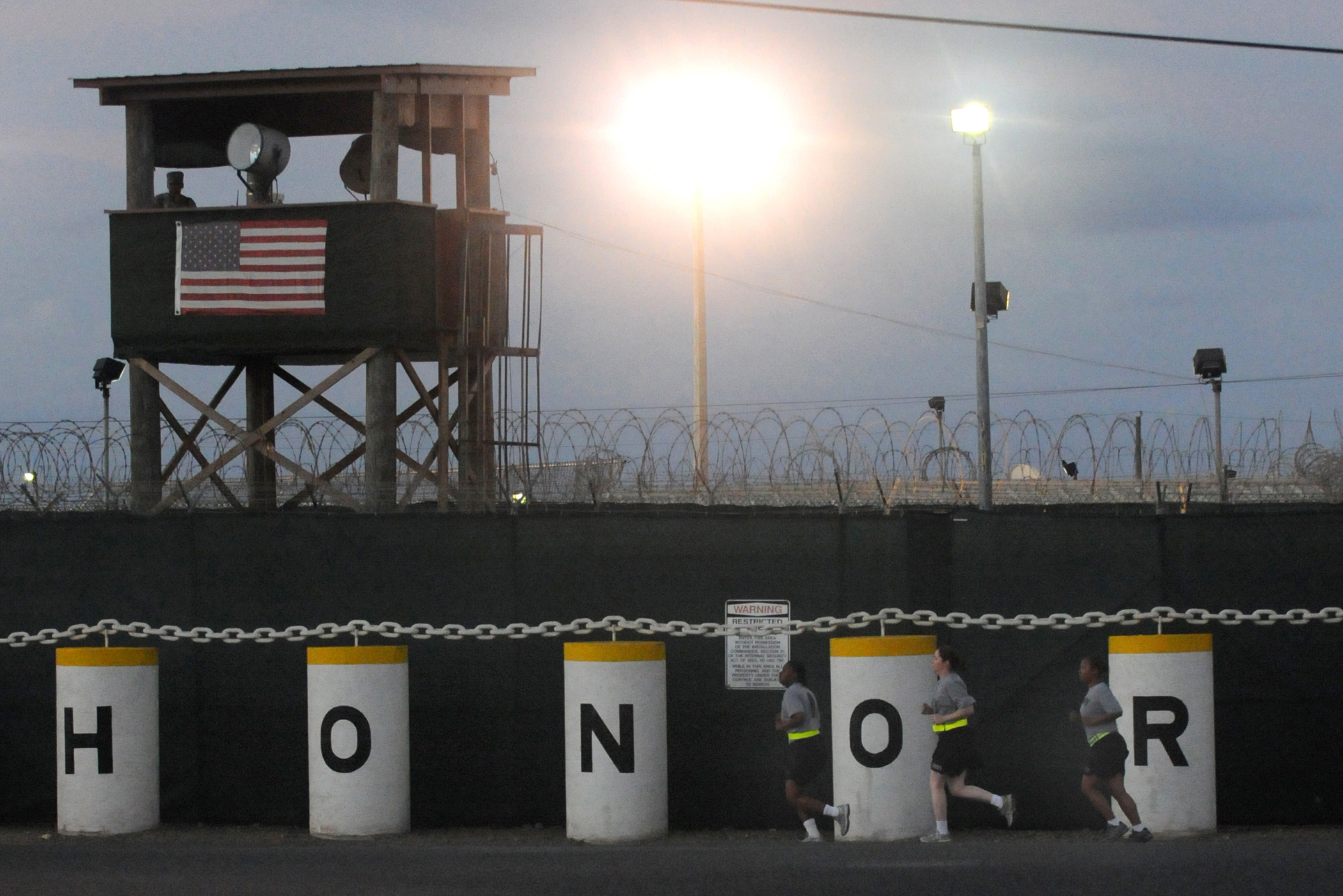
For more than two decades, the U.S. military detention facility at Guantanamo Bay, Cuba, has been portrayed in much of the media as a symbol of American failure or cruelty. That portrayal is unfair, incomplete, and relentless. It personifies an entire military mission as abusive while ignoring the standards, training, and results that have defined American military detention operations.
I served as the ranking U.S. Army Medical Department officer with the Joint Detainee Operations Group at Guantanamo in the early months of the mission. My perspective is that of the incarceration side of the operation—the care, custody, and control of detainees. The U.S. military’s training and experience in handling prisoners of war and detained persons is peerless. We do not train for abuse. We train for professional, lawful detention. That is the only way we know how to do the job.
Guantanamo is the finest military detention facility of its kind on earth. Detainees received free Qurans, prayer rugs and beads, directions to Mecca marked on guard towers and cell floors, halal meals and special accommodations for Muslim holy days, access to U.S. military Muslim chaplains, white robes, correspondence, legal representation, recreation, sports, a library, games, DVDs, video games, television, and world-class medical, vision, and dental care. International Committee of the Red Cross physicians I worked with at Guantanamo and later in Iraq told me directly that no one does detention operations better than the United States.
There is no equivalent facility or practice among the groups and networks that attacked us. Islamic supremacist organizations rarely hold detainees. They kill them—by beheading, burning, drowning, hacking, or dragging them through the streets. The contrast in legal and moral standards is stark. Nearly 780 men were held at Guantanamo over the life of the facility. Almost all have been released. None were executed or subjected to the methods used against Americans and our allies. Of those released, roughly 30 percent are confirmed or suspected of returning to the fight. That is a real cost of release, not a reason to pretend the detention mission itself was illegitimate.
The legal foundation was clear. The detainees were unlawful combatants. Al-Qaeda is a non-state terrorist network that does not follow the laws of war and is not entitled to the full privileges and protections of the Geneva Conventions. At the same time, policy directed that they be treated humanely and within the spirit of those Conventions. That standard was not difficult for the incarceration mission to meet. It was the only standard we trained to.
Mark Fallon’s recent Newsweek essay, and his public posture as an “expert witness,” illustrate the problem with much of the commentary. Fallon promotes himself as an impartial expert while aligning closely with Mohamedou Ould Slahi, a man who trained at an al-Qaeda camp, swore allegiance to the organization, and had documented associations with its network. Slahi has stated that detailed criminal admissions he made under a special interrogation plan were fabricated. Fallon’s piece focuses almost exclusively on the methods used against him while giving little weight to the post-9/11 threat environment, the pre-existing al-Qaeda ties, or the operational realities of the time. Advertising expertise while openly siding with a known al-Qaeda operative makes the claim of impartiality hard to credit. It has the appearance of advocacy rather than detached analysis, and in my view it functions as enabling a narrative that treats the enemy’s account as the default truth.
There are three sides to every story: yours, mine, and the truth. The full classified record of every decision and every interrogation will probably never be public. What is public is sufficient for people who care about fairness, morality, and national defense to form their own judgments. That requires reading more than the negative hit pieces that dominate mainstream coverage. It requires looking at the standards actually applied in the detention mission, the legal status of the detainees, the threat that existed after nearly 3,000 Americans were murdered on September 11, and the outcomes for both the facility and the men who were held there.
I discuss and chronical a different view of Gitmo in my book, Saving Grace at Guantanamo Bay: A Post-9/11 Memoir of Duty, Conscience, and Survival, written from my experiences and journal entries from my service there from February to June, 2002.
Guantanamo was never perfect. No wartime detention operation is. But the sustained effort to treat the entire U.S. military mission there as a moral failure, while ignoring the standards that governed the care and custody of the detainees and the far worse practices of the enemy, is not serious analysis. It is a one-sided narrative. Americans who want the truth should examine the full picture for themselves.
Sources
- https://www.newsweek.com/guantanamos-betrayal-of-our-values-has-a-human-face-12763424
- https://x.com/glynco
- https://grokipedia.com/page/Montgomery_J_Granger
- https://www.amazon.com/Saving-Grace-Guantanamo-Bay-Citizen/dp/1618979639/ref=sr_1_1?crid=1R4QMUUDBQR5K&dib=eyJ2IjoiMSJ9.DCaIivLJXJL-iIvX6lTwamdPMsAsSe84zzs4K-91X59WUd7wMAAQieRHdaF9jSQS._aZZe7R3QC4EAuK6Ckg2FLlgLnVuL_bQSbRTmxHCSlw&dib_tag=se&keywords=saving+grace+at+guantanamo+bay&qid=1795785380&s=books&sprefix=%2Cstripbooks%2C115&sr=1-1
Related stories
How the Outdated Voting Rights Act of 1965 Is Used to Hurt Republicans
Rachel Alexander argues the 1965 Voting Rights Act has outlived its purpose and is now used against Republicans.
The State of America
In the wake of Charlie Kirks assassination, many have felt confused, angry, despondent, and perhaps
Four Weeks or Four Years
Today is the twenty- second of February, Donald Trump has only been in office for one month and so much has happened already in this administration that it’s hard to believe or keep track of. Executive Orders Trump has signed 67 executive orders, making him the first President in 40 years to…