
Biden-Appointed Judge Blocks Connecticut's ICE Mask Ban and Use-of-Force Rules
A federal judge blocked Connecticut from enforcing its mask ban and use-of-force rules against ICE and other federal agents, citing the Supremacy Clause.
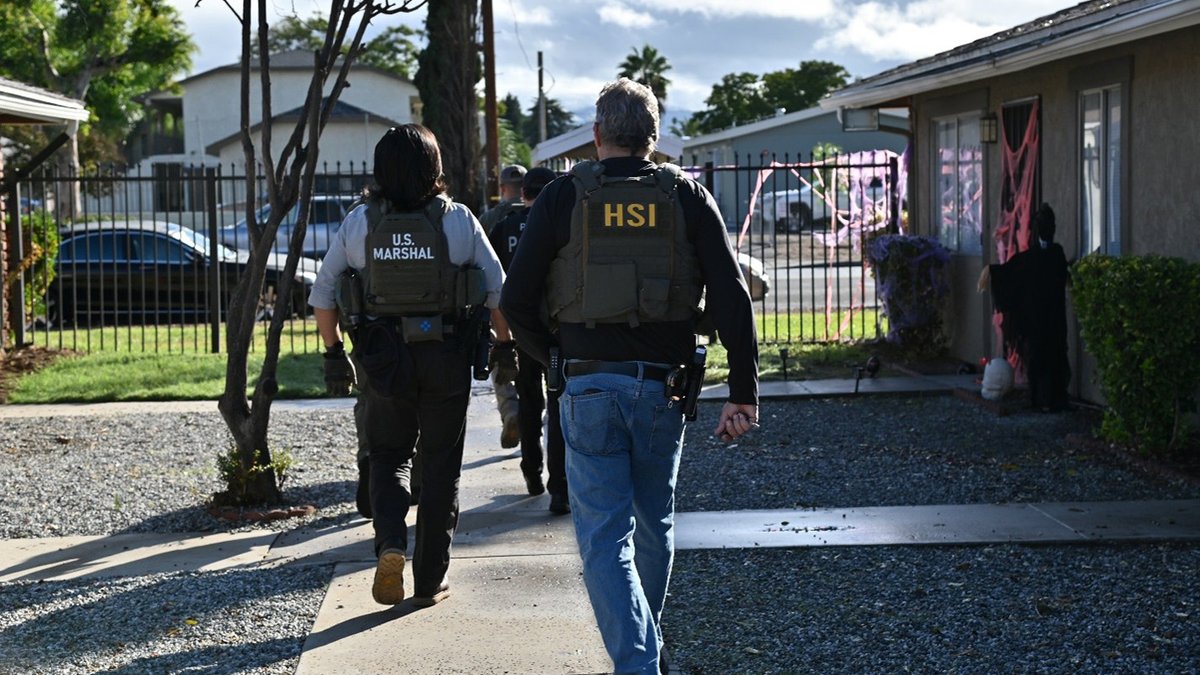
A federal judge has blocked Connecticut from enforcing key parts of a 2026 state law that sought to ban masks for federal immigration agents and hold them to a state-written use-of-force standard.
On Friday, Nov. 20, U.S. District Judge Vernon D. Oliver of the District of Connecticut issued a preliminary injunction against four sections of Senate Bill 397, enacted as Public Act 26-14. He found that those sections likely violate the Constitution's Supremacy Clause and that the Justice Department, which sued in May, is likely to win its case.
Oliver served as a Connecticut Superior Court judge from 2009 to 2023. President Joe Biden nominated him to the federal bench in 2023, and the Senate confirmed him that September.
What Connecticut Tried to Do
Democratic lawmakers passed SB 397 on May 1, 2026, and Gov. Ned Lamont signed it on May 4. The challenged sections took effect immediately.
According to the ruling, Section 6 barred any officer enforcing state or federal law from wearing "any facial covering or personal disguise while interacting with the public." The exceptions were narrow: health, safety, or an undercover assignment approved by a supervisor or a court. The section also required officers to display a badge and name tag during planned arrests and public interactions. An officer who broke either rule faced a class D misdemeanor, punishable by up to 30 days in jail, and could not claim immunity in a civil lawsuit if the officer knowingly and willfully violated the mask rule.
Sections 3, 4 and 5 applied a Connecticut use-of-force standard to federal officers. They also directed the state's inspector general to investigate deaths involving federal officers and to prosecute when the state found the force unjustified.
'Federal Law Already Governs'
"SB 397 seeks to regulate federal officers' conduct. But federal law already governs federal officers' conduct," Oliver wrote.
The law, Oliver added, "plainly imposes conditions on how federal officers must conduct and present themselves during the course of their federal duties," backed by criminal and civil penalties. He wrote that the Supremacy Clause "ensures that federal operations are not chilled by state prosecution."
On the mask and ID rules, Oliver wrote: "This law places federal officers and their families at a heightened risk of retributive attacks, especially given the contentious nature of federal law enforcement activity."
The order bars the state, Lamont and Chief State's Attorney Patrick Griffin from enforcing the four sections against federal officers. It also bars Inspector General Eliot Prescott from enforcing the use-of-force sections. The judge dismissed Attorney General William Tong from the case, finding Tong lacked authority to enforce the provisions. The order does not block the provisions as applied to state and local police.
Oliver also wrote that federal employees do not enjoy "blanket immunity" from state prosecution. Immunity depends on whether an officer acted within federal authority and did no more than was "necessary and proper."
Reactions Split Along Party Lines
When the Justice Department filed suit on May 15, Acting Attorney General Todd Blanche said officers "do not deserve to be doxed or harassed simply for carrying out their duties." Assistant Attorney General Brett Shumate called the law "dangerous and unconstitutional."
Connecticut Senate Republicans said the ruling confirmed their warnings. "We warned that the law violates the Constitution's Supremacy Clause by attempting to regulate federal officers while they carry out their official duties," Senate Minority Leader Stephen Harding, Minority Leader-elect Rob Sampson and Sen. Eric Berthel said in a joint statement. "When one party controls nearly every lever of power in Hartford, the temptation to ignore constitutional constraints in pursuit of political theater becomes far too common."
Lamont's office said it was "disappointed" and said ICE "has terrorized and traumatized our communities." Lamont communications director Cathryn Vaulman said the governor "urges the new Democratic majorities in Congress to strengthen oversight of DHS."
State Rep. Steven Stafstrom, a Bridgeport Democrat and co-chair of the Judiciary Committee, said the judge did not adequately weigh the Supremacy Clause against the states' police powers. Tong's office said it is "reviewing the decision and evaluating next steps."
Part of a National Pattern
Connecticut is not alone. Federal judges have blocked similar mask rules for federal agents in New York, California and Philadelphia.
The ruling is preliminary, and the lawsuit continues.
Sources
- https://ecf.ctd.uscourts.gov/cgi-bin/show_public_doc?2026cv0758-83=
- https://www.govinfo.gov/app/details/USCOURTS-ctd-3_26-cv-00758/USCOURTS-ctd-3_26-cv-00758-0
- https://ctmirror.org/2026/11/20/federal-judge-blocks-ct-law-that-sought-to-regulate-ice-agents/
- https://www.wshu.org/connecticut-news/2026-11-20/judge-rules-ct-can-not-ban-ice-agents-from-wearing-masks
- https://www.wfsb.com/2026/11/20/federal-judge-temporarily-blocks-parts-connecticuts-ice-restrictions/
- https://www.justice.gov/opa/pr/justice-department-files-complaint-protect-law-enforcement-challenging-connecticut-mask-ban
- https://x.com/ICEgov/status/2123779703995572434
Related stories

Senate Passes Sweeping Permitting Overhaul 62-33 to Speed Energy Projects
The Senate voted 62-33 for a sweeping permitting overhaul that limits environmental lawsuits and protects issued permits. The House votes next.
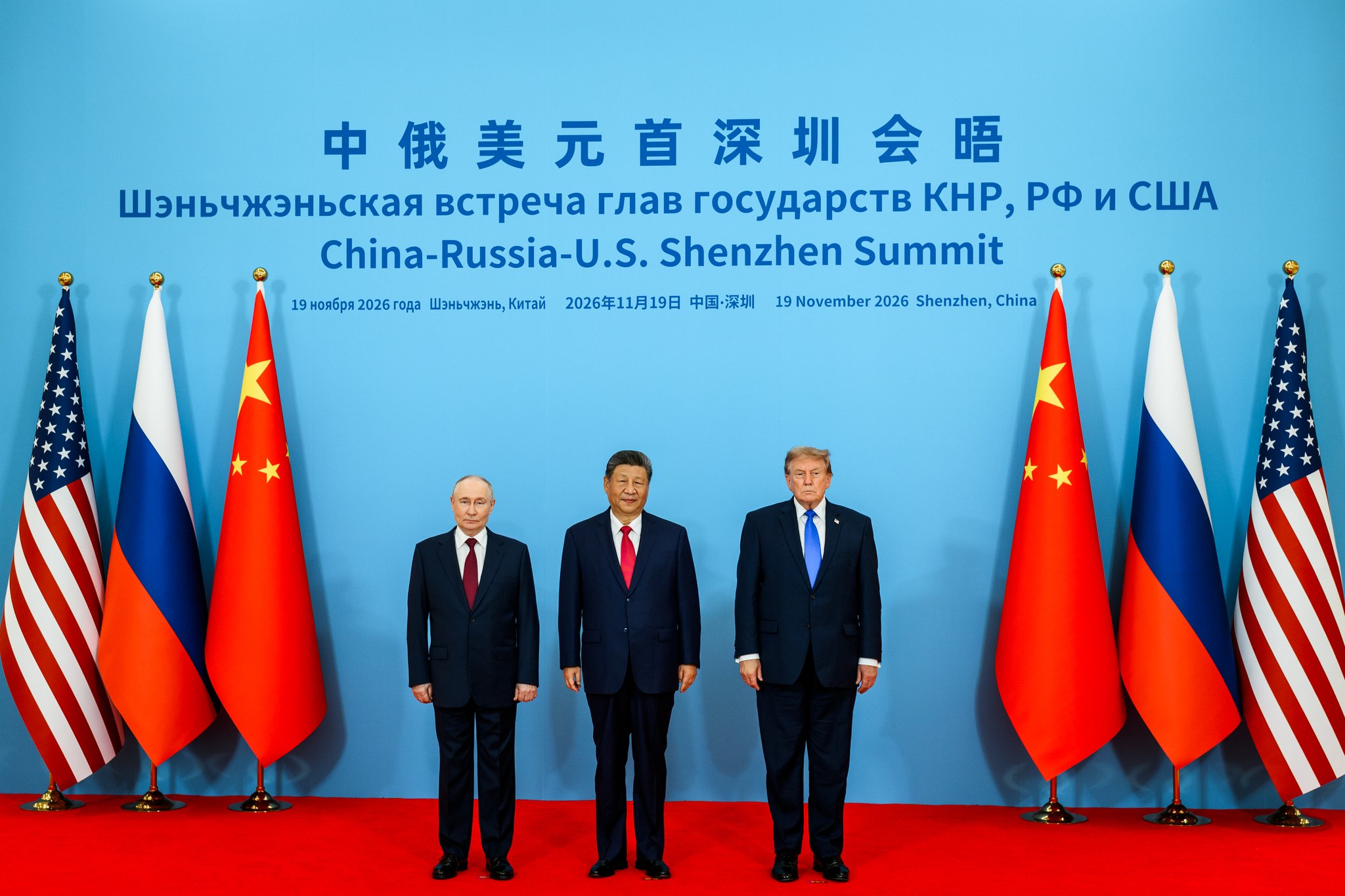
Trump, Xi and Putin Hold First Trilateral Summit, Issue 4-Point Peace Declaration
Trump met Xi Jinping and Vladimir Putin in Shenzhen for the first U.S.-China-Russia leaders' summit, ending with a four-point peace declaration.
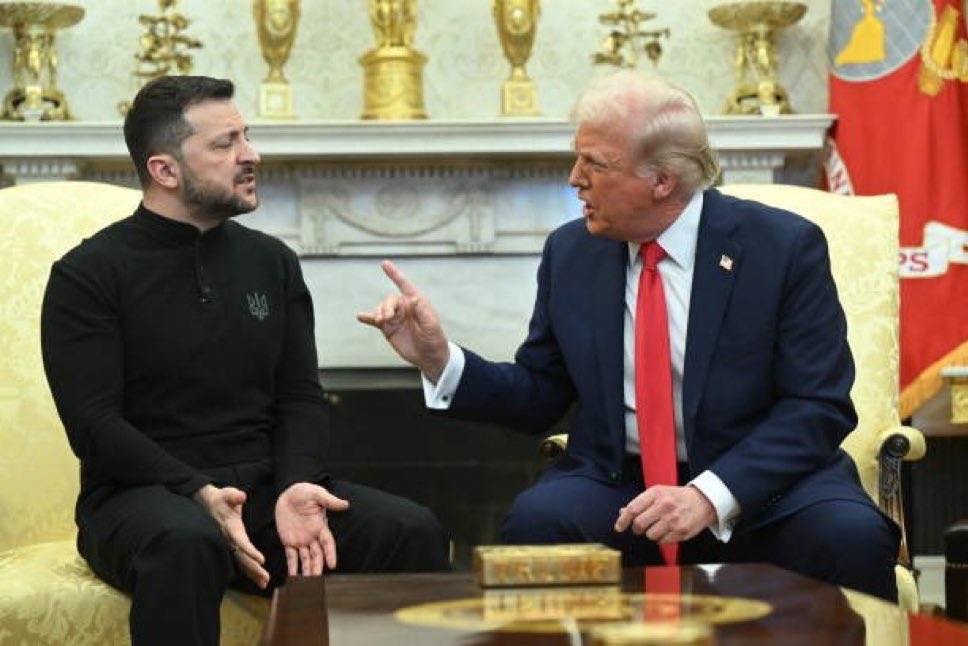
Trump and Zelenskyy Clash in Tense White House Meeting
The much-anticipated meeting between U.S. President Donald Trump and Ukrainian President Volodymyr Zelenskyy took a dramatic turn today, unraveling into a heated confrontation that left onlookers stunned and raised fresh questions…